
 Deutsch (Deutschland)
  English (United Kingdom)
 Jim Alcock
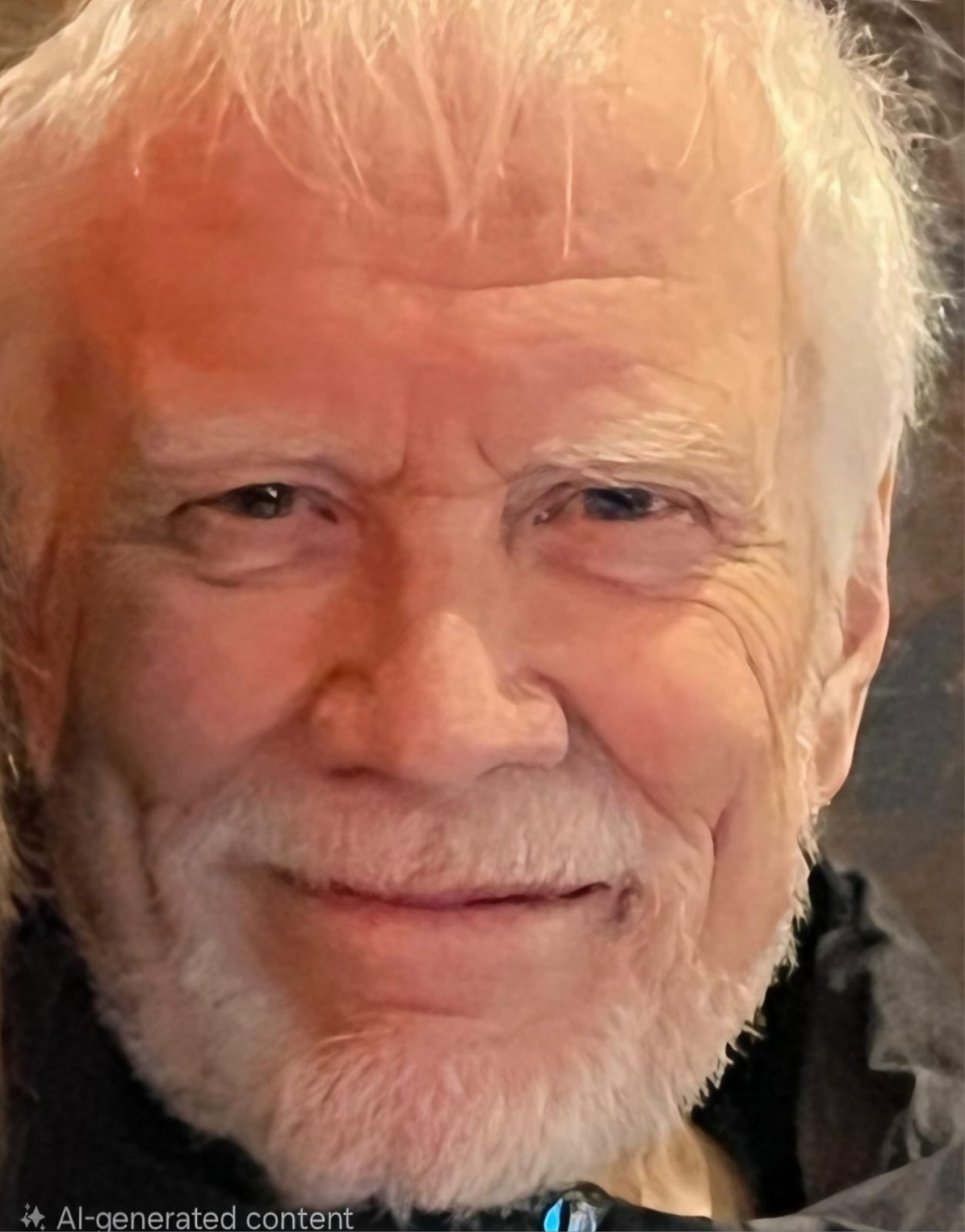 Jim Alcock (born 1942) is a Canadian psychologist and science communicator who is one of the leading figures in the international skeptical movement. After earning a degree in physics from McGill University, he completed a PhD in social psychology at McMaster University. He spent most of his academic career at York University in Toronto, where he was a Professor of Psychology and is now Professor Emeritus.
Alcock's research focuses on the psychology of belief, human reasoning, and the critical evaluation of extraordinary claims. He is internationally recognised for his scholarly work examining paranormal and pseudoscientific claims through the lens of scientific inquiry. He is a Fellow of the Committee for Skeptical Inquiry (CSI) and has served in leadership and editorial roles within the organisation for many years.
Through his numerous academic publications, books and public lectures, Alcock has helped to promote critical thinking, scientific literacy and evidence-based reasoning. In recognition of his contributions to skepticism and the public understanding of science, he received the prestigious In "Praise of Reason Award" from CSI.
Judith Faessler
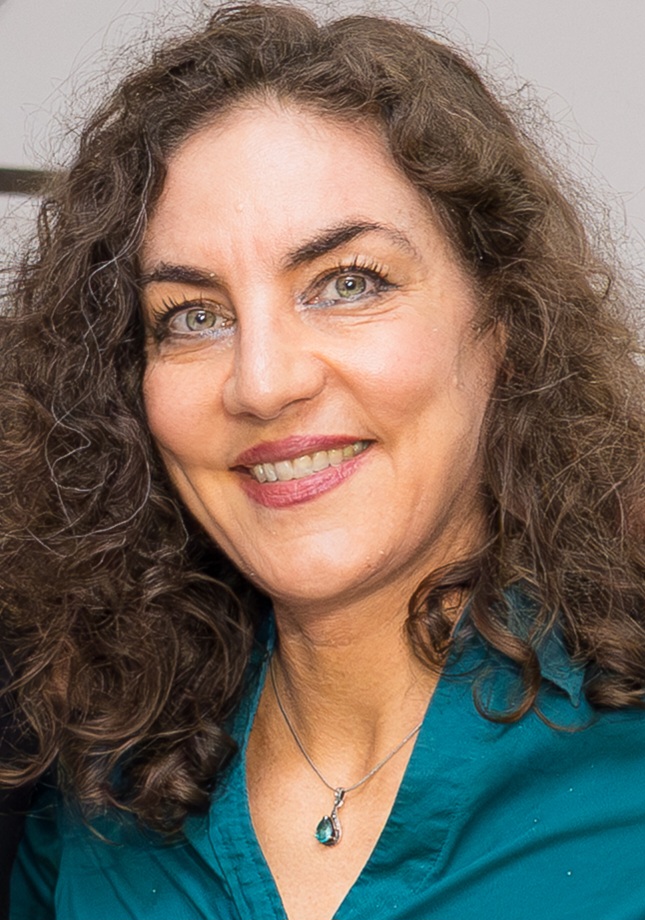
Judith Faessler (born in 1971 in Geneva) is a historian, Orientalist, and expert on political and religious ideologies and their impact on democratic societies. After completing her secondary education in France, she studied Oriental Studies, history, and philosophy at Ludwig Maximilian University of Munich.
Her academic interests include the Middle East, the history of political ideas, and the philosophy of science. Since 2001, she has worked as a research associate at the Bavarian State Office for the Protection of the Constitution, where she focuses on issues related to the democratic rule of law, political extremism—particularly right-wing extremism—and societal threats to liberal orders.
Faessler speaks several modern and historical languages, including German, English, French, Persian, Arabic, and Turkish. In addition to her professional work, she is publicly committed to defending democracy, human rights, and an open society. Her convictions are also shaped by her family history: her grandfather, Max Mannheimer, was a Holocaust survivor, and her grandmother was active in the resistance against National Socialism.
Leo Igwe
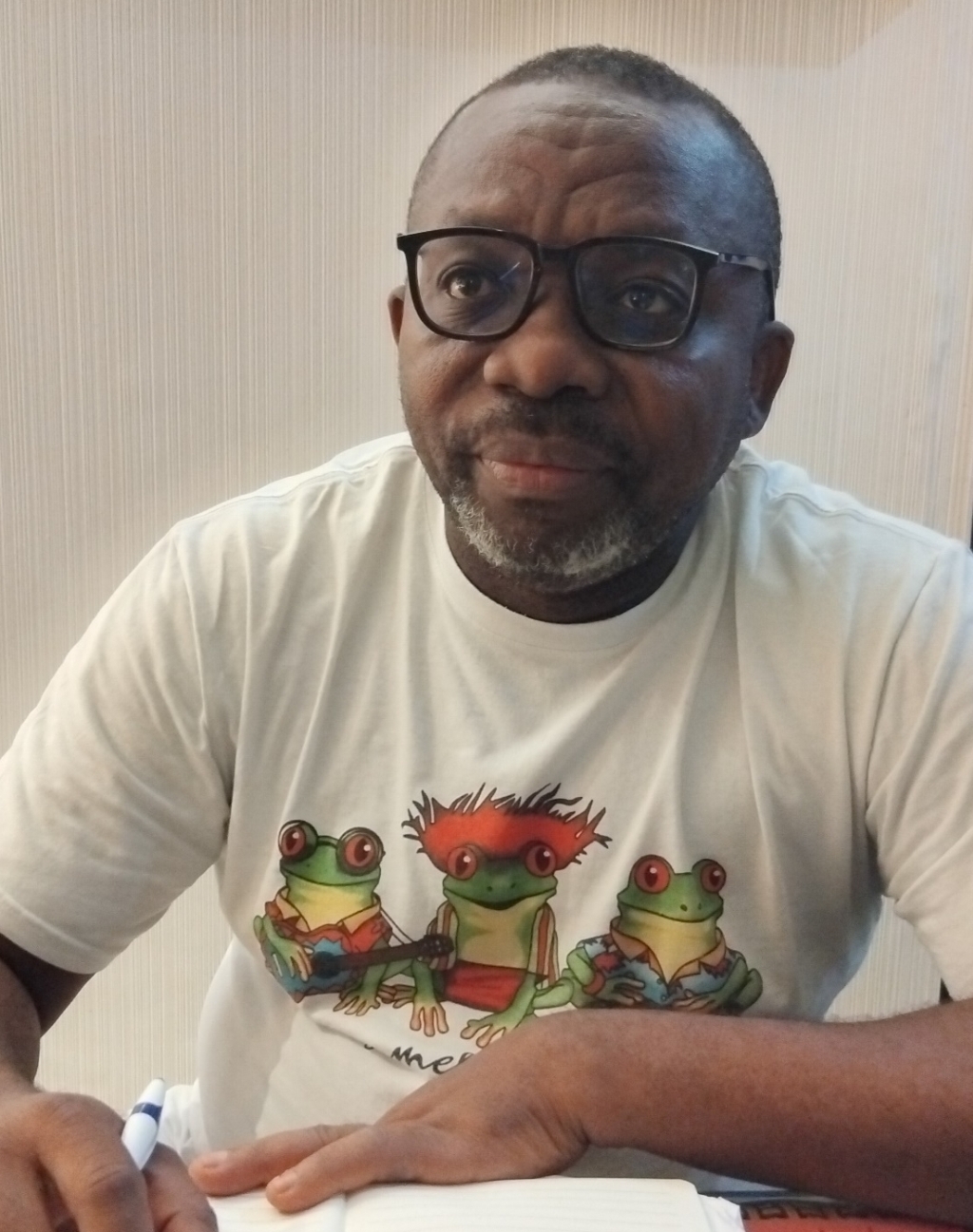 Leo Igwe is a Nigerian philosopher, scholar of religion, and internationally recognised human rights and education advocate. He earned his PhD in the Study of Religions from the University of Bayreuth, Germany, in 2017, focusing on witchcraft accusations in Ghana. Most recently, he served as a Postdoctoral Research Fellow at the University of Cape Town, South Africa. He currently leads the Critical Thinking Social Empowerment Foundation and Advocacy for Alleged Witches in Nigeria.
His work focuses on critical thinking, religion, humanism, human rights, and the challenge of superstition and witchcraft accusations in Africa. He has taught at the Central European University in Budapest, the Catholic University of Applied Sciences in Munich, and the University of Cape Town.
Dr Igwe is the author of numerous academic publications and book chapters, including contributions to The Cambridge History of Atheism. He has served in several international leadership roles, including as Vice-President of Humanists International, and is widely known for promoting reason, education, and human dignity across Africa.
Meera Nanda
 Meera Nanda (born 1954) is an Indian historian and philosopher of science, as well as an
author and public intellectual. Having trained as both a scientist and a science studies
scholar, she earned a PhD in Biotechnology from the Indian Institute of Technology (IIT),
Delhi, and a second PhD in Science Studies from the Rensselaer Polytechnic Institute in
the United States. Her work lies at the intersection of the natural sciences, the history
of science, and the philosophy of knowledge.
Meera Nanda (born 1954) is an Indian historian and philosopher of science, as well as an
author and public intellectual. Having trained as both a scientist and a science studies
scholar, she earned a PhD in Biotechnology from the Indian Institute of Technology (IIT),
Delhi, and a second PhD in Science Studies from the Rensselaer Polytechnic Institute in
the United States. Her work lies at the intersection of the natural sciences, the history
of science, and the philosophy of knowledge.
She taught the history and philosophy of science at the Indian Institute of Science Education and Research (IISER) in Mohali and later served as guest faculty at IISER in Pune. Her scholarship focuses on the relationship between science, religion, politics and society, as well as the challenges facing scientific reasoning in contemporary democracies.
She is internationally renowned for her critiques of pseudoscience, religious nationalism, postmodernism and postcolonial approaches to science. Her best-known books include Prophets Facing Backward, The God Market, Science in Saffron, and, more recently, A Field Guide to Post-Truth India and Postcolonial Theory and the Making of Hindu Nationalism. In 2023, she became a Fellow of the Committee for Skeptical Inquiry (CSI).
Through her research, writing and public engagement, Nanda has become a prominent advocate of scientific rationality, secularism and the universal nature of scientific inquiry. Her work has made a significant contribution to international debates on science, democracy, pluralism, and the defence of evidence-based knowledge.
Narendra Nayak
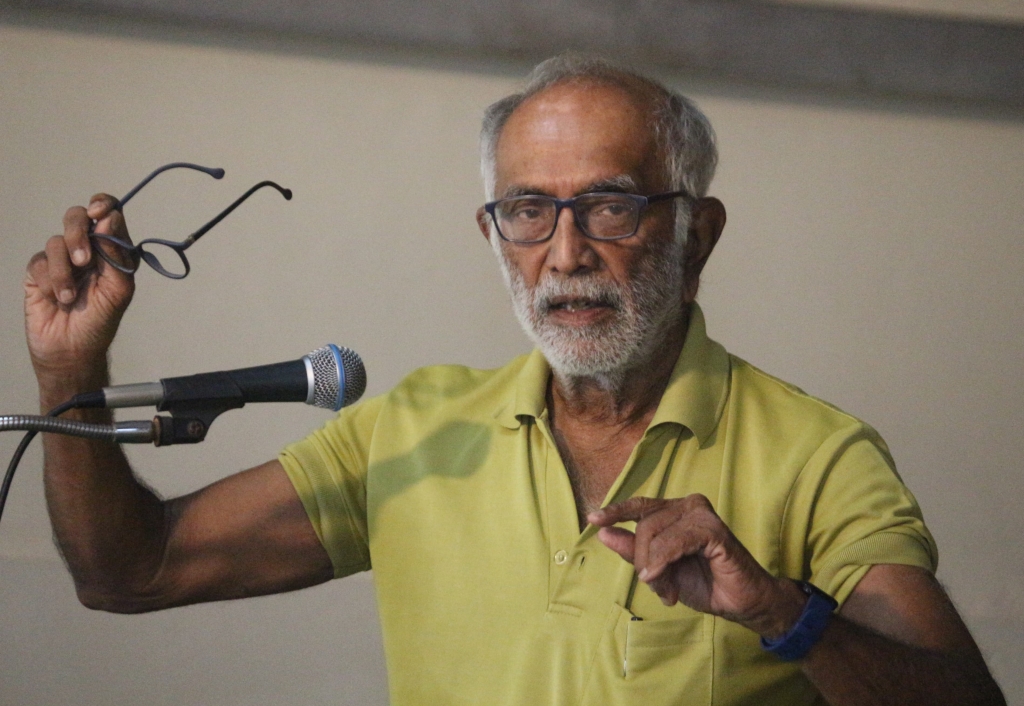 Narendra Nayak (born 1951) is an Indian biochemist, educator, and one of the country's leading advocates of scientific temper, critical thinking, and secular humanism. After studying chemistry at Loyola College in Madras and medical biochemistry at Kasturba Medical College in Manipal, he pursued a career in research and academia. He worked at Kasturba Medical College from 1978 to 2006, during which time he was promoted to Assistant Professor. He then left academia to devote himself full-time to public outreach and rationalist activism.
In 1976, he founded the Dakshina Kannada Rationalist Association, and he later became involved in consumer education, human rights and science communication. Since 2004, he has served as president of the Federation of Indian Rationalist Associations (FIRA), India's national umbrella organisation for rationalist groups.
Through lectures, teacher training programmes, science workshops, and public demonstrations that expose so-called miracles and supernatural claims, Nayak has reached audiences across India. His lifelong commitment to evidence-based thinking, science education and public awareness has earned him numerous national and international awards in recognition of his contributions to humanism, human rights and the promotion of a scientific mindset.
Rainer Rosenzweig
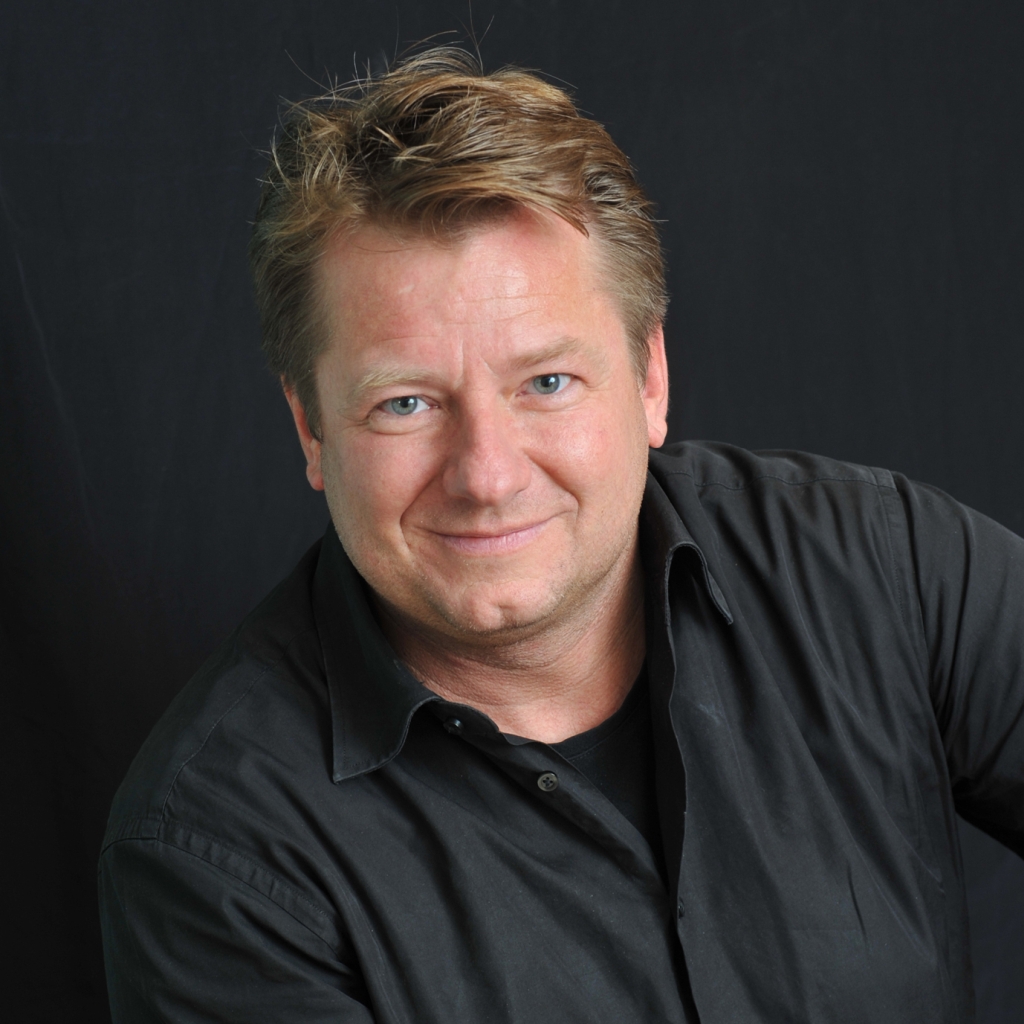
Rainer Rosenzweig is a mathematician, an expert in perceptual psychology, and science communicator. After studying mathematics, he completed his PhD in the field of perceptual psychology and now works in science management. He also lectures at the Technische Hochschule Nürnberg. In his work, he combines scientific research with public dialogue on perception, cognition and critical thinking.
He is committed to communicating scientific findings to society; to this end, he founded the Kortizes Institute for Popular Scientific Discourse and continues to lead it to this day. Kortizes brings together scientists, education professionals and the general public in an interdisciplinary exchange on current issues in science, philosophy and society.
Furthermore, Rosenzweig is actively involved in numerous organisations within the secular-humanist and science-oriented civil society. He is a board member of the Central Council of Non-Denominational People, President of the Humanist Press Service (hpd) and a member of the Scientific Council of the Society for the Scientific Investigation of Parasciences (GWUP). Through his teaching, his journalistic work and his wide-ranging involvement, he champions scientific education, critical thinking and an enlightened, open society.
Anna Veronika Wendland
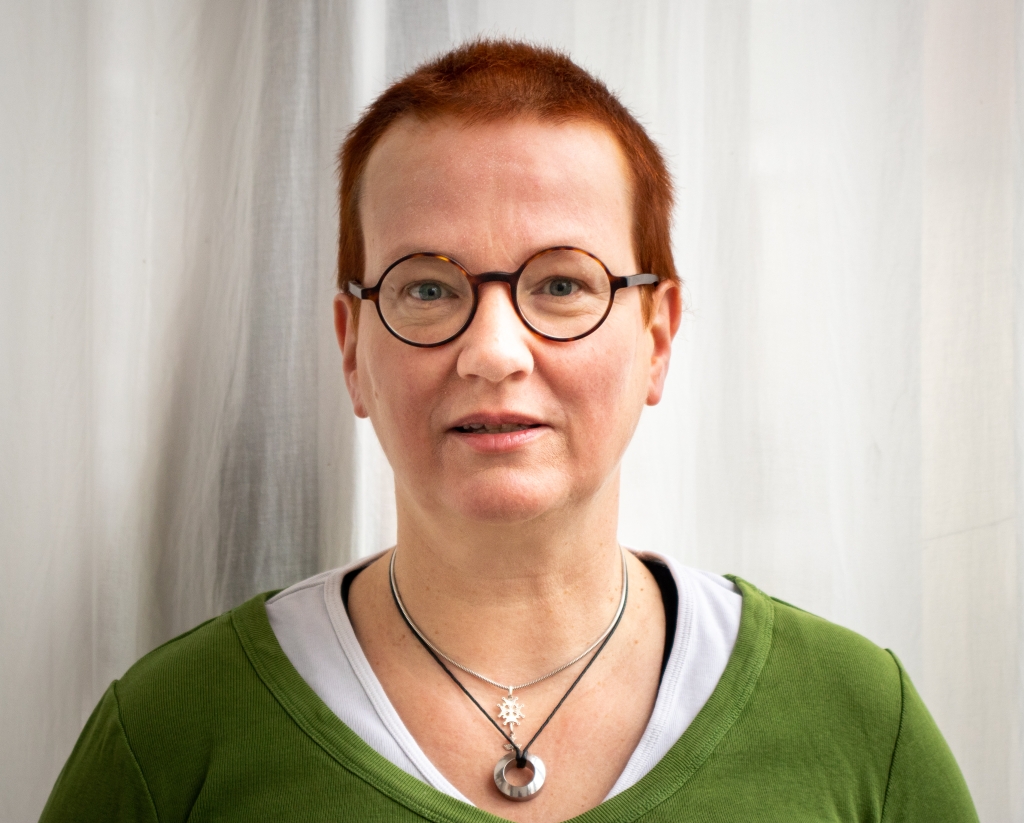 Anna Veronika Wendland (born 1966) is a German historian specialising in Eastern Europe and technology. She is also a public intellectual and an expert on security, technology, and societal change. Born in Cologne, she studied History, Political Science and Slavic Studies in Cologne and Kyiv, Ukraine. After earning her doctorate at the University of Cologne, she completed her habilitation at the University of Marburg, where she now lectures in modern and contemporary history.
Her research combines Ukrainian studies with science and technology studies. Her work focuses on the history of Ukraine, nation-building, and memory cultures, as well as the interactions between technology, society, and security in modern industrial societies. She is particularly renowned for her research on nuclear safety, nuclear work, and safety cultures in complex technological systems. As part of this work, she spent several years conducting field research as an industrial anthropologist in the European nuclear industry.
Since Russia’s full-scale invasion of Ukraine, she has become a widely respected expert, consulted by the media and policymakers on Ukrainian history, nuclear safety and European energy policy. Through her research, publications and public engagement, she promotes evidence-based policymaking and scientific rationality, advocating for the resilience of open, democratic societies.